

Commercial Demolition for Active Sites
Commercial demolition often needs a different approach from residential work. There may be neighbouring businesses, shared access, active tenancies, delivery zones, or redevelopment deadlines that affect how the job is planned and carried out.
Ulladulla Demolition takes these site conditions into account from the beginning. We look at the structure itself, how the site is being used, who may be affected nearby, and what needs to happen before demolition can begin safely. This helps us keep commercial demolition organised, compliant, and practical for the wider project.

Types of Commercial Demolition
We carry out commercial demolition across a wide range of sites in Ulladulla and nearby areas. Our team can manage full building removal, partial demolition, and internal demolition work, depending on the needs of the site and the next stage of the project.
Commercial building demolition
We remove standalone commercial buildings safely and efficiently, making way for redevelopment, rebuilding, or complete site clearing.

Office strip outs
We carry out office strip outs for leases ending, refurbishments, and fitout changes, removing internal walls, ceilings, flooring, and other unwanted materials.

Shop and retail demolition
Our team manages demolition for shops and retail spaces, including internal removal work for refits, upgrades, and tenancy changes.

Warehouse demolition
We handle warehouse demolition for industrial and commercial sites, with careful planning around access, machinery, and waste removal.
Industrial building demolition
We can demolish larger industrial structures and work with builders and project managers to keep the site safe, organised, and ready for the next phase.

Partial demolition and internal removal
Where only part of a building needs to be removed, we carry out controlled demolition that supports refurbishments, extensions, and staged redevelopment work.
Planning, Access, and Compliance
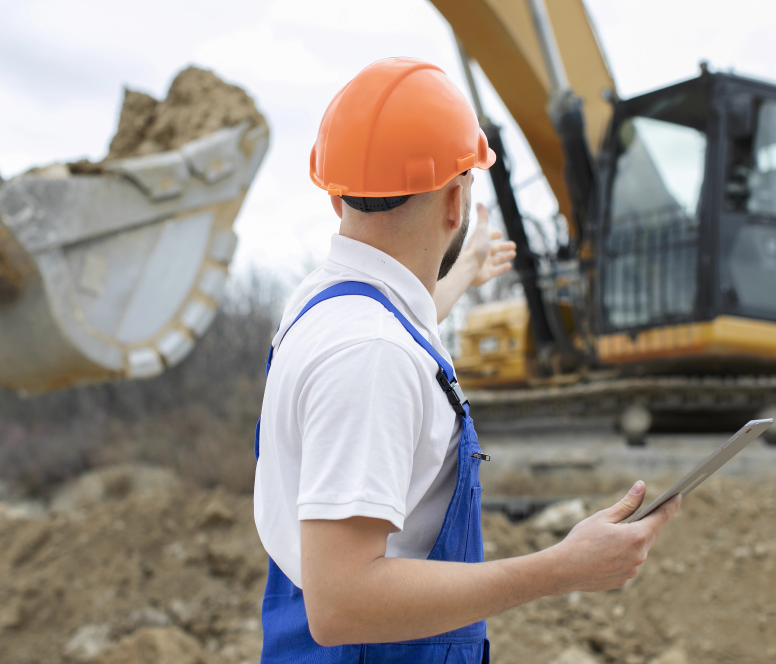
One of the biggest parts of commercial demolition is the planning that happens before any machinery arrives on site. Access points, neighbouring buildings, traffic movement, shared boundaries, utilities, and public safety all need to be reviewed carefully so the project can run without unnecessary setbacks.
We also consider council requirements, environmental obligations, and service disconnections before work starts. This early planning helps reduce delays, improves safety, and gives builders and developers a clearer path into the next stage of the project.
Asbestos and Hazardous Materials
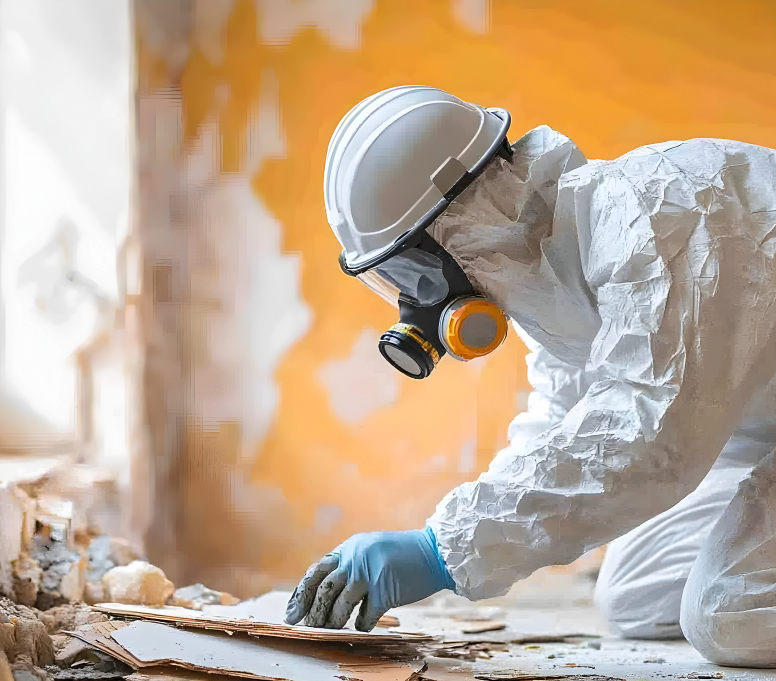
Older commercial sites may contain asbestos or other hazardous materials that need to be identified before demolition begins. This is especially important in buildings that have been altered over time or contain older wall linings, roofing, insulation, or service areas.
If asbestos is present, it must be handled with the right procedures, equipment, and disposal methods. Ulladulla Demolition includes asbestos planning as part of a careful commercial demolition process, helping ensure the site is prepared properly before the main demolition stage begins.
How Commercial Demolition is Carried Out
Commercial demolition is generally completed in a sequence of planned stages so the work can be controlled properly from start to finish.
Site Review
We begin with a consultation and site review to understand the building, the scope of works, access conditions, and your project timeline. This helps determine whether the job involves full commercial demolition, staged demolition, or internal strip out work.

Preparation
Once the site has been assessed, we review any approvals, hazards, service disconnections, and access needs before finalising the demolition plan. This allows the work to be scheduled in a way that suits the building, the site, and the people around it.

Safety Management
Safety controls are then put in place across the site, including fencing, signage, exclusion zones, and access management where needed. On more complex sites, this step is important for protecting nearby businesses, workers, and members of the public.
Demolition
The demolition work is carried out using suitable equipment and methods for the structure involved. Where required, buildings are demolished in stages to improve control, manage risk, and support safe material removal.

Post-Demolition Site Cleanup
As demolition progresses, materials are removed from site and sorted for disposal or recycling. This helps keep the site cleaner and supports an organised handover once the demolition scope has been completed.

Checks Before Final Handover
At the end of the project, the site is cleared and checked so it is ready for the next contractor, redevelopment stage, or builder handover. We keep communication clear throughout the process so clients know what stage the job is at and what comes next.

Cost Factors of Commercial Demolition
The cost of commercial demolition in Ulladulla depends on the type of building, the size of the site, and how complex the work is to carry out. A straightforward strip out or small shop demolition will usually differ from a larger warehouse demolition or staged commercial building removal.
Some of the main factors that influence cost are:
We prepare clear quotes based on the actual scope of works and site conditions. This gives you a more accurate understanding of what is included and helps reduce surprises once the project is underway.
Working With Builders and Developers
Commercial demolition is often one part of a larger redevelopment, fitout, or construction programme. For that reason, Ulladulla Demolition works closely with builders, developers, landlords, and project managers to make sure demolition aligns with the wider site schedule.
Clear communication at this stage is important. It helps demolition, asbestos management, strip out work, and site clearing fit more smoothly into the next stage of the project, whether that involves new construction, refurbishment, or tenant works.
